
High blood pressure does not automatically mean you cannot become pregnant. Many women with well-controlled blood pressure have healthy pregnancies. However, pregnancy places additional demands on the heart and blood vessels, making preconception planning especially important. If you are planning a pregnancy while living with high blood pressure, it is helpful to review your blood pressure readings, medicines, overall health, and potential pregnancy risks before you start trying. A gynecologist can help identify areas that may need attention and plan appropriate monitoring during pregnancy.
Controlled blood pressure and medication review before conception can help support a safer pregnancy. - Dr. Ankesh Sahetya
What Counts as High Blood Pressure When You’re Planning a Pregnancy?
Blood pressure is recorded using two numbers, such as 120/80 mmHg. The first is systolic pressure and the second is diastolic pressure.
Repeated readings of 140/90 mmHg or higher should be medically assessed and may indicate hypertension requiring management. A single high reading does not always mean persistent hypertension.
Factors that may contribute to elevated blood pressure include:
- White-coat effect
- Diet
- Excess weight and poor sleep
- PCOSand metabolic health
Planning pregnancy with high blood pressure? A preconception check can help clarify the next steps.
How High Blood Pressure Can Affect Conception and Early Pregnancy
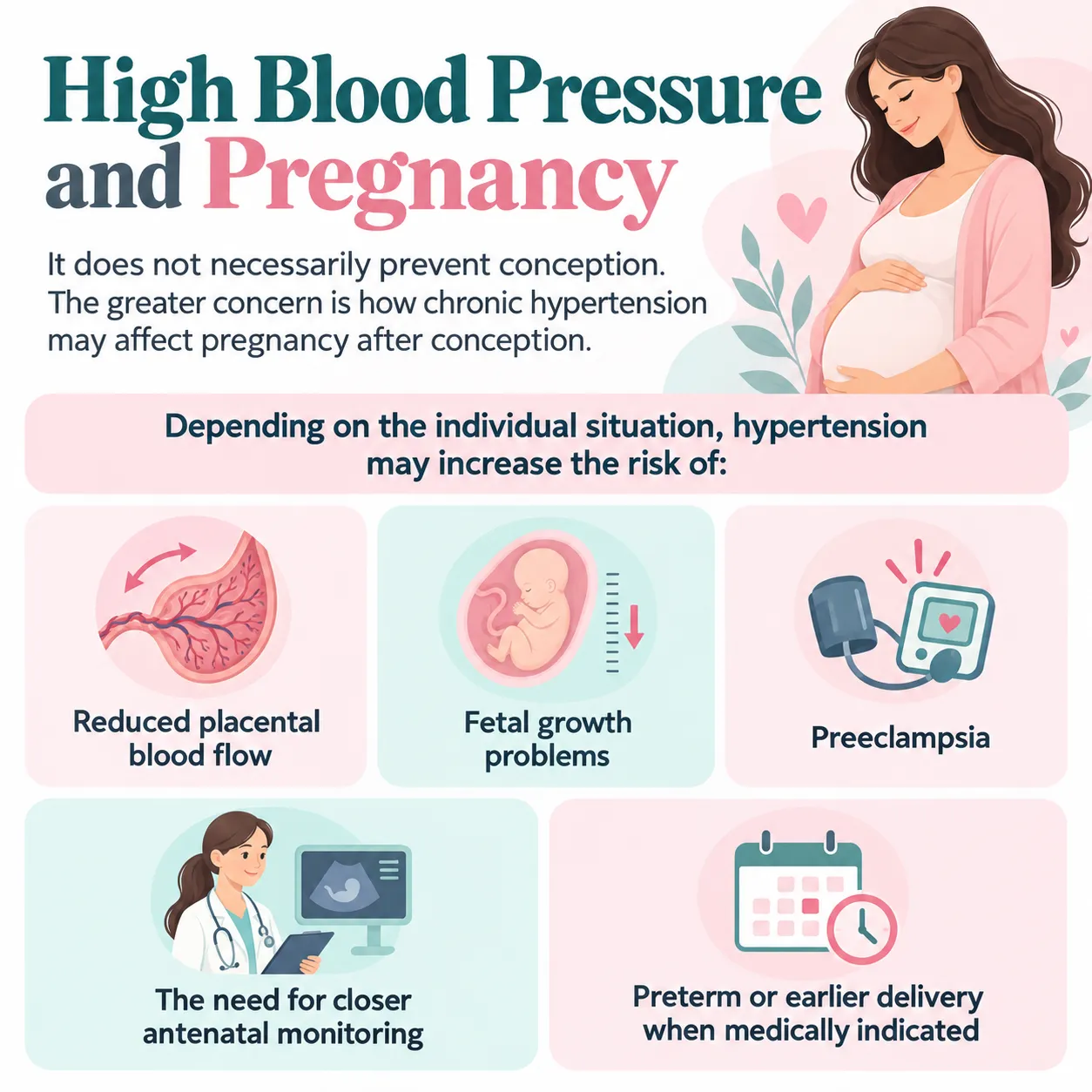
Difficulty conceiving may also be related to other conditions rather than blood pressure itself. PCOS, obesity, diabetes, irregular ovulation, and increasing age can affect fertility.
If pregnancy has not occurred after 12 months of regular unprotected intercourse, or after 6 months if you are over 35, a fertility evaluation may be considered. Blood pressure and other health factors
At Pushpaa Hospital, women with hypertension can receive coordinated preconception and pregnancy care for better monitoring and planning.
Chronic Hypertension vs. Pregnancy-Related Blood Pressure Problems
Not all blood pressure problems during pregnancy are the same.
Chronic Hypertension: High blood pressure present before pregnancy or diagnosed before 20 weeks. Blood pressure medicines may need to be reviewed or changed, with additional monitoring during pregnancy.
Gestational Hypertension: Develops after 20 weeks without chronic hypertension or findings that define preeclampsia. Monitoring is important to check for progression.
Preeclampsia: Usually develops after 20 weeks and involves high blood pressure with signs of maternal organ involvement or other diagnostic findings.
Seek prompt medical attention for severe headache, vision changes, upper abdominal pain, sudden swelling, shortness of breath, or very high blood pressure.
Women with chronic hypertension can also develop superimposed preeclampsia, requiring careful medical assessment.
Blood Pressure Monitoring and Antenatal Care During Pregnancy
Pregnancies complicated by hypertension may require more frequent monitoring than routine pregnancies. The exact schedule depends on blood pressure control, medical history, and how the pregnancy progresses.
Antenatal care may include:
- Regular blood pressure checks
- Urine testing for protein
- Kidney function tests
- Liver function tests
- Platelet counts
- Ultrasound scans to monitor fetal growth
- Additional fetal or placental assessments when clinically indicated
What to Check Before Trying to Conceive
A preconception consultation may include:
- Blood pressure assessment
- Review of current medicines
- Weight and BMI assessment
- Blood sugar testing
- Kidney function assessment
- Urine testing
- Review of previous pregnancies
- Family and medical history
- Lifestyle assessment
Women with diabetes, kidney disease, PCOS, thyroid disorders, or previous pregnancy complications may need additional evaluation.
Choosing the Right Team for a Pregnancy with High Blood Pressure
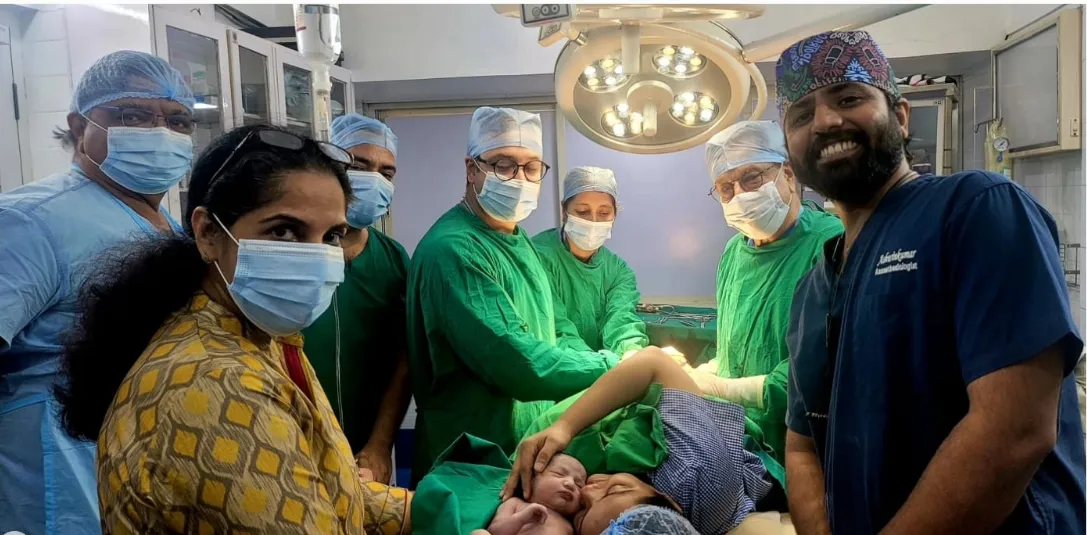
Women with chronic hypertension may benefit from care involving clinicians experienced in managing pregnancies with medical complications.
Before pregnancy, it can be helpful to ask:
- How often will my blood pressure be monitored?
- Will my current medication need to change?
- Will I need additional fetal growth scans?
- Who should I contact if my blood pressure suddenly rises?
- What symptoms should prompt urgent medical attention?
- Is appropriate obstetric and neonatal care available if complications develop?
Having a clear plan before conception can make pregnancy monitoring more organised and help you understand what to expect.
Frequently Asked Questions
Can you get pregnant with high blood pressure?
Yes, with proper blood pressure control and medical supervision.
Is it safe to get pregnant with high blood pressure?
Yes, but chronic hypertension can raise the risk of preeclampsia and fetal growth problems.
Which blood pressure medicines should be avoided when trying to conceive?
ACE inhibitors and ARBs need medical review before pregnancy and should not be stopped without a doctor’s advice.
Does high blood pressure affect fertility in women?
Usually not directly, but related conditions like PCOS, obesity, diabetes or irregular ovulation may affect infertility.
What blood pressure level is too high to get pregnant?
There is no single cut-off, but repeated readings of 140/90 mmHg or higher should be medically assessed.
