
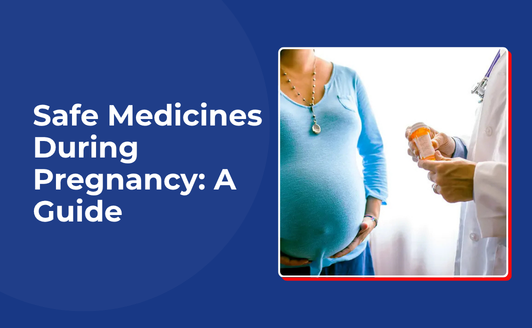
Only a limited set of medicines are considered safe during pregnancy, and this depends on the trimester, dosage, and the woman's individual health history. Paracetamol at the recommended dose, certain penicillin-based antibiotics, and prenatal supplements such as folic acid, iron, and calcium are generally considered acceptable. Other common medications, including ibuprofen in later pregnancy, carry documented risk and should be avoided unless specifically advised by a doctor. A medical consultation is recommended before continuing or starting any medication during pregnancy.
According to Pushpa Hospital in Andheri West, medicines safe during pregnancy is a topic that requires individual medical assessment, as even routine medications need review once pregnancy is confirmed.
Unsure if your current medication is safe?
Which Medicines Are Generally Considered Safe?
A number of medicine categories have a well-established record of safe use during pregnancy, though each comes with specific conditions attached.
Pain relief: Paracetamol has long been the preferred choice for fever and mild pain during pregnancy, as it does not carry the risks associated with certain other painkillers, provided it is taken at the recommended dose.
Prenatal vitamins: Folic acid, iron, and calcium supplements directly support fetal development, and early initiation of folic acid significantly reduces the risk of neural tube defects.
Certain antibiotics: Penicillin and some cephalosporins are generally considered safe for treating infections, with the specific choice depending on the condition being treated and the stage of pregnancy.
Antacids: Basic antacids for heartburn, a common concern from the second trimester onward, are generally low-risk when used as directed.
These options should not be regarded as a basis for self-medication. Even medicines considered safe during pregnancy require dosage confirmation from a doctor, which is a key reason high-risk pregnancy care is available for women managing chronic conditions alongside pregnancy.
Have a high-risk pregnancy?
Our team provides close monitoring and safe treatment plans for complicated pregnancies.
Which Medicines Should Be Avoided During Pregnancy?
Certain commonly used medications carry documented risk during pregnancy and warrant caution before use.
NSAIDs: Ibuprofen and aspirin, particularly after 20 weeks, have been associated with complications affecting fetal kidney function and amniotic fluid levels, and should generally be avoided unless specifically advised by a doctor.
Certain antibiotics: Tetracyclines can affect a baby's developing bones and teeth, so they are typically replaced with a safer alternative throughout pregnancy.
Herbal supplements: A "natural" label does not guarantee safety. Many herbal products have not been sufficiently studied in pregnancy to be considered safe.
Acne medications: Isotretinoin and similar retinoid-based treatments carry a well-established risk of serious birth defects and are ideally discontinued well before conception.
Any medication taken prior to pregnancy should be reviewed by a doctor rather than assumed safe to continue. This principle also applies to discussions around female infertility, where fertility medications require careful timing and close monitoring.
Why Choose Pushpaa Hospital for Pregnancy Care?
Pushpaa Hospital has supported women through pregnancy since 1986, with medication review carried out as a standard part of every antenatal visit rather than addressed only when a concern arises.
Women who discuss their medications early, including those assumed to be harmless, are better able to avoid complications later in pregnancy. This proactive approach is a central part of antenatal care, and one that meaningfully supports a safer pregnancy outcome.
Phone: Call +91 77158 10228 to book your consultation
Frequently Asked Questions
Is it safe to take paracetamol throughout pregnancy?
Yes, at recommended doses, though prolonged use should be discussed with a doctor.
2. At what age does female fertility begin to decline?
Fertility gradually declines in the late twenties and early thirties, with a more noticeable decrease after 35 years of age.
Can I continue my existing prescription once I'm pregnant?
Not without review, some medications need adjustment or replacement during pregnancy.
Are all herbal supplements unsafe during pregnancy?
Not all, but many lack sufficient safety data, so check before taking any.
What should I do if I took an unsafe medicine before knowing I was pregnant?
Speak to your doctor immediately for guidance specific to your situation.
References
- World Health Organization – WHO Recommendations on Maternal Health: Guidelines Approved by the WHO Guidelines Review Committee
- National Institutes of Health (NCBI/PMC) – A Rational Approach to Pharmacotherapy in Pregnancy
Disclaimer: This blog is for general informational purposes and does not replace professional medical advice.
